
South Africa’s recent anti-immigrant protests have targeted nationals of other African countries living there. For many, the unrest came as little surprise, with similar demonstrations dating back to 2008.
Several factors have been cited as contributing to the unrest, but it is largely driven by a perception that migrants from elsewhere in Africa are taking economic opportunities away from South African citizens. These migrants work mainly in the informal economy, with some also working in hospitality and manufacturing. South Africa’s Department of Statistics estimates that the informal sector accounted for 19.5% of total employment in the fourth quarter of 2024. The sector contributes approximately 6% of GDP, making it an important part of the country’s economy.
The protests have mainly targeted local grocery shops known as ‘spaza shops’, as well as shopping malls. Protesters have also called for medium-sized businesses to dismiss foreign workers. Many of these businesses are themselves owned by foreign nationals from Asian countries such as Bangladesh and China. Violence and looting have also been reported.
Economic and Investment Implications
The World Bank recently slashed South Africa’s growth forecast from 1.4% to 1%, while investor confidence has weakened amid the unrest. The country has also slipped from seventh to 12th place in the 2026 Kearney FDI Confidence Index.
South Africa is home to several major multinationals that contribute significantly to its economy and operate across the continent in sectors including banking, telecommunications and energy. The unrest has created uncertainty, with calls in countries such as Nigeria and Ghana to boycott South African businesses.
The South African government nevertheless appeared confident that the country would retain its appeal to investors, dismissing threats of boycotts and isolation.
The Johannesburg Stock Exchange, Africa’s largest, has shown few signs of volatility in response to recent events. Although its leading technology, banking and mining stocks remain exposed to external shocks, trading activity and key indices have stayed within normal ranges. The South African rand has also remained relatively stable.
Regional Competition and Opportunities
South Africa remains one of the continent’s leading investment destinations, supported by factors including its infrastructure and relatively temperate climate. Other countries are also actively competing for foreign direct investment, supported by new infrastructure in Egypt and Morocco and an expanding digital economy in Rwanda.
Businesses in key sectors such as energy and financial services have also been expanding across Africa. Nigeria-based Dangote Group, which has a presence in more than 17 African countries, is seeking to build a new oil refinery in Kenya. Ventures such as this offer opportunities for investors looking to restructure their portfolios.
Business Resilience and Risk Management
Complex ownership structures may have helped shield large corporations in South Africa from physical attacks by protesters, since investments in these businesses retain a degree of anonymity. Standard Bank, for example, is based in South Africa and is Africa’s largest banking group. Its largest shareholder is the Industrial and Commercial Bank of China, with a 20.1% stake.
However, the unrest highlights how instability can affect businesses of all sizes. Large corporations must factor social unrest into their risk management, recognising that no business is entirely insulated from its effects.
Small and medium-sized enterprises (SMEs), meanwhile, face heightened risks, often operating under individual proprietors or close-knit groups. These businesses form the backbone of economies, and disruption to their operations poses a broader threat to public order. Ensuring secure conditions for businesses is therefore a fundamental matter of governance and the rule of law.
Share This Story, Choose Your Platform!
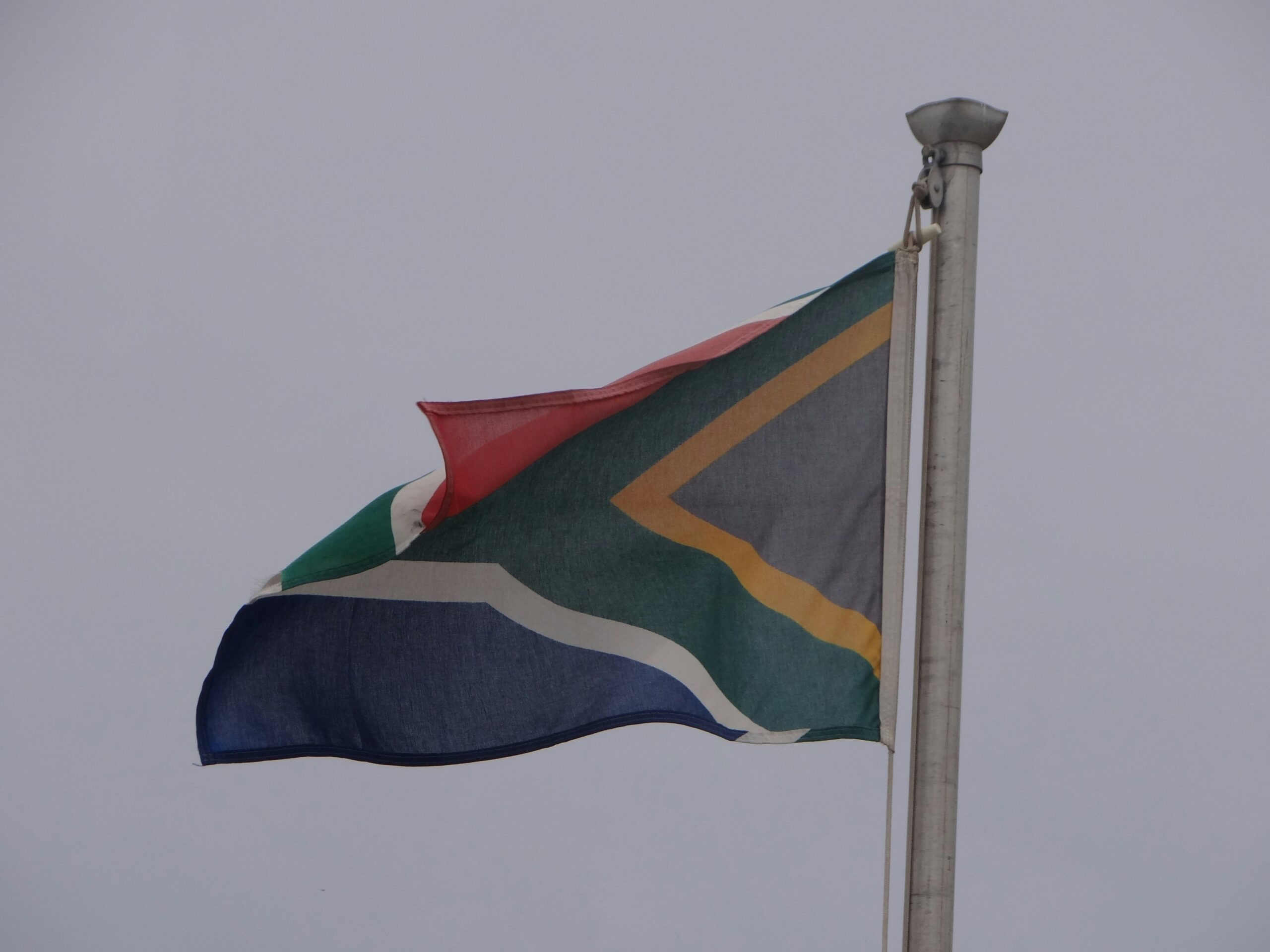
Recent Unrest in South Africa and Its Impact on the African Business Climate
Read More →South Africa’s recent anti-immigrant protests have targeted nationals of other African countries living there. For many, the unrest came as little surprise, with similar demonstrations dating back to 2008. Several [...]
Contact FACT
Get in touch with our team.
Whether you have a specific requirement or want to understand how we can help, our specialists are ready to talk. All enquiries are handled in confidence.