
The Due Diligence Dialogue is a new FACT interview series bringing together leading voices to examine the issues shaping due diligence and compliance today. Specialists across sectors and markets discuss how credible intelligence, thorough screening, and independent investigation help establish who can be trusted, whether regulatory standards are being met, and where further scrutiny is needed. The series explores the expertise and technology helping organisations identify risk, uncover connections, and make better informed decisions.
In this first interview, Aran Hawker Co-Owner CiP Türkiye l CEO CoinPanel, draws on more than a decade’s experience in Türkiye to discuss due diligence in citizenship by investment, including property checks, source of funds and the lessons from allegations of fraud.
The Value of Local Knowledge
Having lived and worked in Türkiye for many years, Aran Hawker has observed the country’s investment migration landscape both before and after the introduction of the Turkish Citizenship by Investment (CBI) programme in 2017. His experience has also highlighted an important aspect of due diligence: the value of local knowledge.
For Aran, there are limits to what legislation, official guidance, and desktop research can reveal. “Familiarity with the workings, expectations and standards of various government departments comes from hands-on experience,” he explains. Having worked with Turkish residency applications for more than a decade, he has seen how individual circumstances can introduce issues that standard guidance may not anticipate. As he puts it, “every client presents a unique set of circumstances.”
Beyond Basic Checks
This becomes particularly relevant in property-based CBI transactions, where meaningful pre-transaction due diligence should extend beyond basic compliance checks. Aran points to the importance of “verifying everything from initial building licences to the final habitation certificates.”
Resale properties can introduce additional complexities. Previous foreign ownership may affect a property’s eligibility for citizenship, while unrecorded tax or debt liabilities from former owners can contribute to incorrect title deed valuations and failed applications. Aran therefore highlights properly scrutinised new-build properties as one way of reducing some of these risks.
Enforcement action concerning alleged CBI real-estate fraud in Türkiye also offers wider lessons about transparency and how transactions are structured. While some individuals may have been unwitting victims, Aran notes that “much of the fraud occurred with the explicit involvement or knowledge of applicants seeking to bypass minimum investment requirements or receive off-the-record cash kickbacks”. Such conduct, he stresses, can constitute deliberate fraud and provide grounds for citizenship to be revoked. The cases underline the importance of independent valuations, transparent payment arrangements, and appropriate legal scrutiny, particularly when an offer appears too good to be true. Aran also notes that official procedures and regulatory systems have since been overhauled.
Applicant screening represents another important layer of due diligence. Asked what might immediately pause a CBI file, Aran gives a clear example: “An Interpol Red Notice would be a red flag.” Source of funds and source of wealth also require careful examination, particularly where an applicant’s finances span complex jurisdictions.
From Aran’s experience, Turkish banks maintain “high standards regarding source of funds”, with checks seeking to establish whether an investor is employed, self-employed, a business owner or retired. Evidence may include sales and purchase agreements, itemised property and application costs, proof of identity and address, and documentation supporting income. Together, these records can help establish both the origin of funds and the wider funding trail behind a transaction.
Recognising Red Flags
Scrutiny should also extend to intermediaries. Aran identifies several preliminary warning signs, including “the use of generic, free email domains, such as Gmail, for official business,” an inability or refusal to appear on a video call, and an inability to answer basic questions about the programme during a direct conversation. Individually, these indicators may not determine risk, but they can provide a reason for further enquiry.
Aran also draws a distinction between official checks and independent due diligence. “Türkiye conducts its official due diligence internally without third-party providers,” he explains. A separate independent review can provide an additional layer of scrutiny, helping identify compliance concerns or underlying issues that could affect an application or result in unexpected costs and delays.
Türkiye’s Outbound Investment Migration
Türkiye is also a significant outbound investment migration market. According to Aran, demand is driven largely by families seeking “enhanced travel freedom, tax planning solutions, and educational opportunities for their children in the UK, EU, or US.” Alternative residence or citizenship can provide families with greater flexibility while children study overseas and support individuals with international business interests. For due diligence providers assessing Turkish applicants for outbound programmes, access to documentation can be comparatively straightforward. Aran describes Türkiye’s E-Government platform as making many official documents “accessible immediately at no cost, available in multiple languages, and formatted for official use.” Digital apostilles, he adds, can often be issued on the same day without additional fees.
Aran’s insights highlight a central point: effective due diligence goes beyond checking formal requirements. It demands a thorough understanding of the applicant, asset, funding trail and intermediaries, supported by local knowledge to uncover less obvious risks.
Read the full interview here: The Due Diligence Dialogue with Aran Hawker – Q&A | FAC
Share This Story, Choose Your Platform!
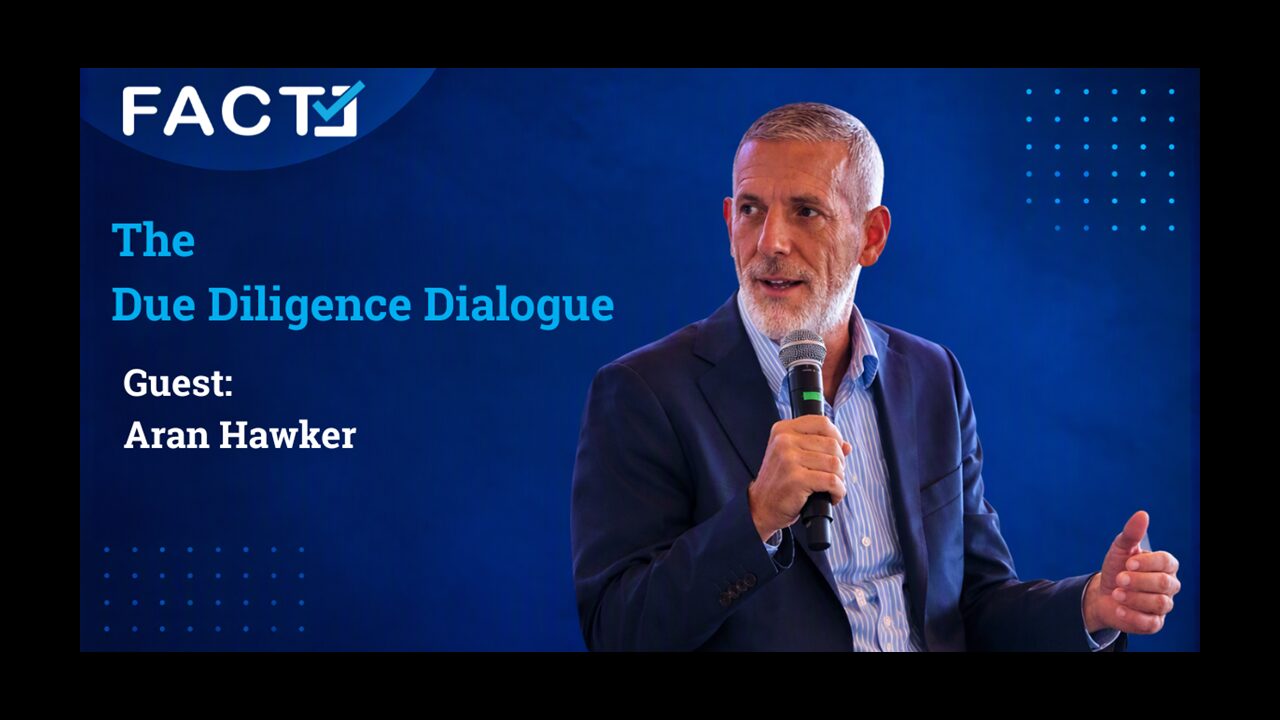
The Due Diligence Dialogue with Aran Hawker – Q&A
Read More →The Due Diligence Dialogue is a new FACT interview series bringing together leading voices to examine the issues shaping due diligence and compliance today. Specialists across sectors and markets discuss [...]
Contact FACT
Get in touch with our team.
Whether you have a specific requirement or want to understand how we can help, our specialists are ready to talk. All enquiries are handled in confidence.