
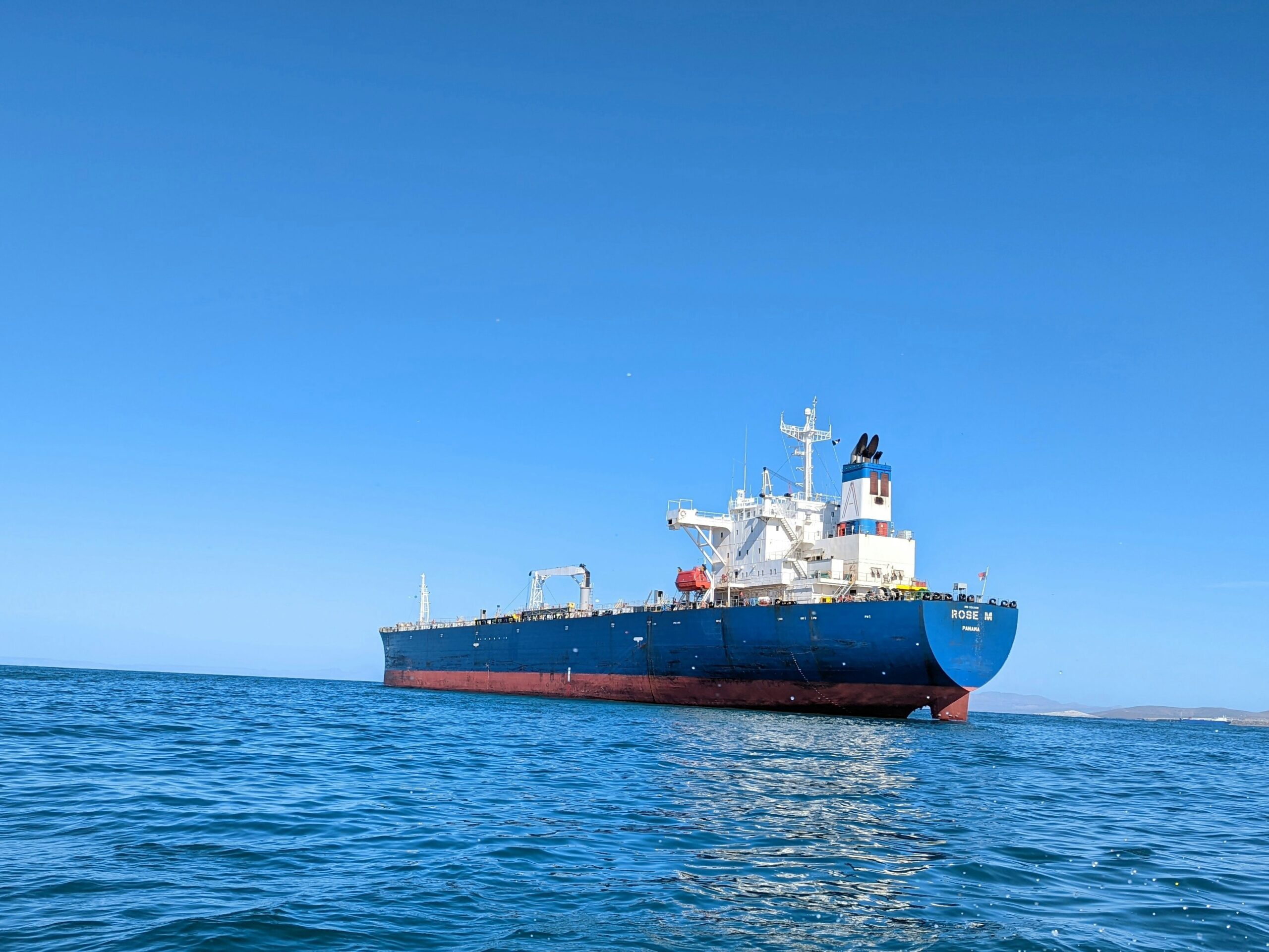
Iran’s attempts to seal the Strait of Hormuz have prompted intelligence professionals and hobbyists alike to flock to maritime monitoring tools such as MarineTraffic to make sense of the situation. These tools, which provide real-time updates, alert users to supply-chain bottlenecks that often arise at a moment’s notice and can cost shipping conglomerates, fishing companies, insurance firms and commodity traders, significant revenue. However, relying solely on maritime monitoring solutions can leave important areas of risk unaccounted for.
One way threat actors evade maritime monitoring is through AIS spoofing: deliberately manipulating a vessel’s Automatic Identification System (AIS) signals so that the ship broadcasts false information about its position and purpose. AIS spoofing allows vessels to appear to be operating somewhere else entirely, enabling them to conduct activities that would otherwise attract scrutiny.
A growing cohort of tankers involved in sanctions evasion – often referred to as the “shadow fleet” – relies on a combination of tactics, techniques and procedures (TTPs), including AIS spoofing, to disguise their intent and operations. These vessels routinely falsify their positions around choke points such as the Strait of Hormuz or simulate calls at low-risk ports while conducting covert activity elsewhere.
This misleading information environment means that even strong compliance teams risk operating with an incomplete picture. Sophisticated threat actors – particularly those able to distribute risk across multiple jurisdictions and layers of opaque ownership – can exploit these blind spots to conceal illicit activity. While some commercial providers promote “super tool” solutions – all-in-one platforms that claim to provide insight across every risk component – these tools are not a substitute for expert analysis. Teams that combine subject matter expertise with multiple sources of maritime data are far better placed to identify risks early and help clients make timely, well-informed decisions.
At FACT, our due diligence experience has included tracing a variety of assets, including the ownership and activity of vessels. Our multidisciplinary approach helps clients better understand the risks of complex ownership cases.
Share This Story, Choose Your Platform!
Expanded UK Iran Sanctions: Why Database Screening Is Only a First Step
Read More →The UK’s expanded sanctions regime against Iran, effective from 29 September 2026, introduces significant new financial, trade and transport restrictions across sectors including energy, oil and petroleum products, petrochemicals, maritime [...]
Contact FACT
Get in touch with our team.
Whether you have a specific requirement or want to understand how we can help, our specialists are ready to talk. All enquiries are handled in confidence.