
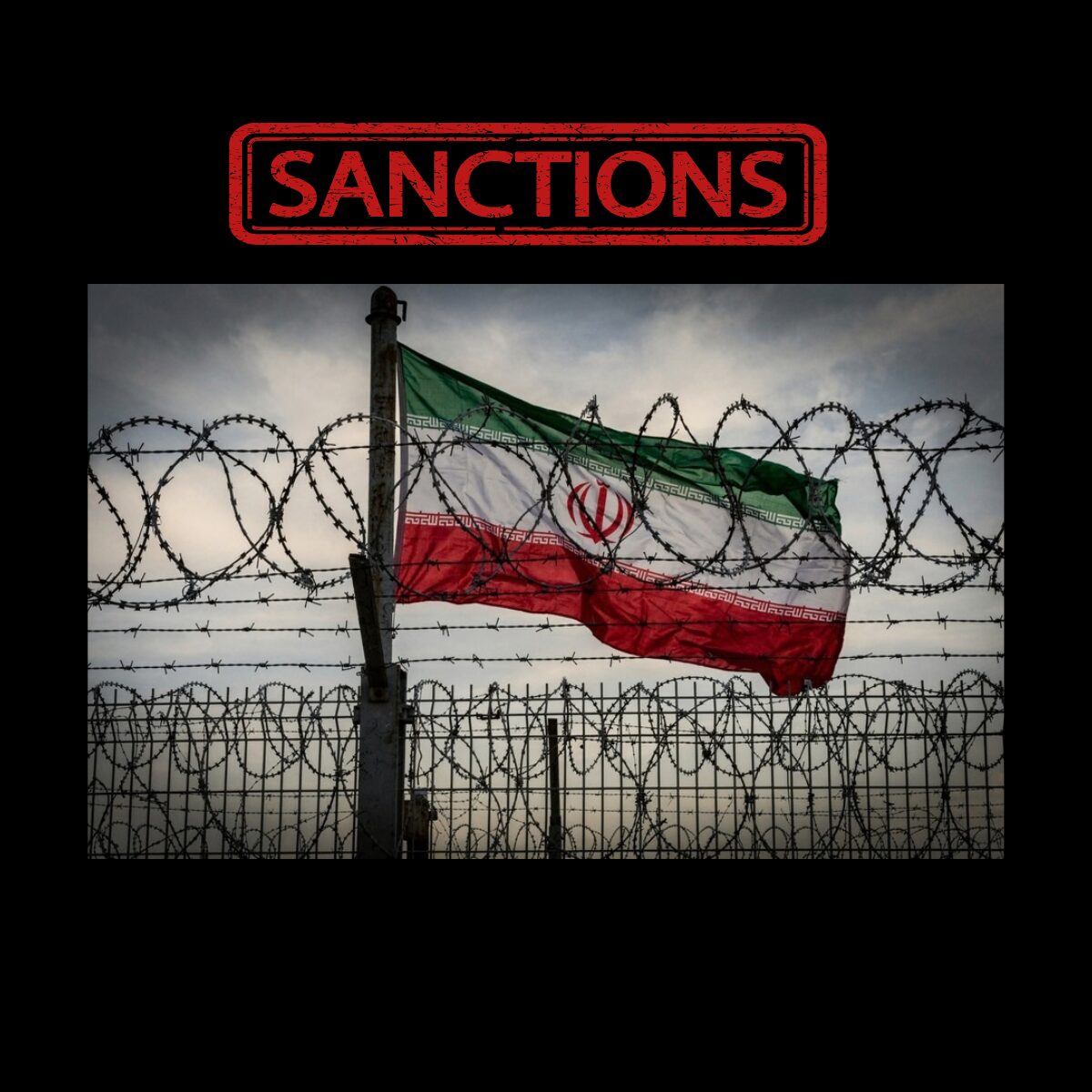
Expanded UK Iran Sanctions: Why Database Screening Is Only a First Step
Read More →The UK’s expanded sanctions regime against Iran, effective from 29 September 2026, introduces significant new financial, trade and transport restrictions across sectors including energy, oil and petroleum products, petrochemicals, maritime [...]

Medicines in Transit: Why Pharmaceutical Supply Chains Attract Organised Crime
Read More →Every day, high-value medicines move through increasingly complex global supply chains. Before reaching patients, pharmaceutical products may pass through manufacturers, wholesalers, logistics providers, distribution centres, pharmacies and hospitals across multiple [...]

The GLP-1 Gold Rush: When Criminal Markets Follow Consumer Demand
Read More →Few pharmaceutical products have entered mainstream public consciousness as quickly as GLP-1. Originally associated primarily with diabetes treatment, medicines such as Ozempic, Wegovy and Mounjaro have become globally recognised through [...]

When Fake Medicines Enter the Legitimate Supply Chain: Are Our Defences in the Right Place?
Read More →For many years, pharmaceutical crime has often been presented in terms of a relatively simple distinction: legitimate medicines are supplied through regulated channels, while falsified and illicit medicines circulate outside [...]

UK’s 2026 Money Laundering Regulations: Key Changes for DD Practitioners
Read More →On 30 June 2026, the Money Laundering and Terrorist Financing (Amendment) Regulations 2026 came into force, introducing the most significant overhaul of the UK’s anti-money laundering regime since the regulations [...]

AI fakery is making human intelligence more valuable
Read More →Commentary on AI-generated propaganda in the Iran conflict has tended to focus on the most viral examples: Mr Explosive’s Lego series, or the White House’s blend of military footage and [...]
From targeting tool to strategic target: AI’s new role in conflict
Read More →CONTENT NOTE: AI, conflict & civilian harm AI is no longer confined to the cyber domain of the conflict in Iran and the Gulf. It is now appearing more frequently [...]

The Iran Conflict Highlights the Rise of AI Warfare
Read More →AI’s role in the conflict between the US and Israel, and Iran, has dominated news headlines, from Lego AI “slopaganda” created by an Iranian operative calling himself Mr. Explosive, to [...]

How the Iran conflict is rewiring crypto market behaviour
Read More →Modern wars tend to either create new technologies or accelerate their adoption. The Iran conflict has already left its mark on the world of cryptocurrency, producing new intelligence challenges, but [...]

No allied crypto support for Iran – yet
Read More →Russia and China are two of Iran’s key partners in its conflict with the US. Does their support extend to cryptocurrency exchange? Seemingly not – so far. However, existing channels [...]

Iran crypto risks persist – even through conflict
Read More →On 28 February when the US and Israel began their attacks on Iran, the market cap of crypto dropped a worrying 2.5%. However, this has not halted the movement and [...]

Understanding Kuwait’s Bidoon: The Impact of Statelessness on Due Diligence
Read More →In Kuwait, roughly 100,000 people exist in a legal grey zone – stateless Arab residents known as the Bidoon (Arabic for ‘those without documentation or nationality’), constituting around 4% of [...]


© 2026 FACT, Regal House, 70 London Road, Twickenham, TW1 3QS