
AI’s role in the conflict between the US and Israel, and Iran, has dominated news headlines, from Lego AI “slopaganda” created by an Iranian operative calling himself Mr. Explosive, to the US government’s feud with Anthropic over the company’s refusal to supply its AI for surveillance and fully autonomous weapons. However, pure cyberwarfare is also a part of this conflict, increasingly enhanced by AI.
Many Iran-affiliated threat groups were using AI to conduct cyberattacks long before the current conflict began. In 2024, OpenAI reported that Iranian threat actors Crimson Sandstorm and CyberAv3ngers had been using ChatGPT to write apps and websites, evasive malware, and spearphishing messages. As in many other sectors, threat intelligence providers report that AI lowers the barrier to entry both for less sophisticated threat actors and more sophisticated cyberattacks on critical infrastructure.
Threat actors do not need custom or modified AI to carry out these attacks. While these “dark AI” versions do exist, threat actors often jailbreak mainstream AIs. Typically, an AI would refuse to answer questions about how to make weapons or malware, but a successful series of jailbreak prompts can override those guardrails. While AI capacity has increased, and newer AI builds are more efficient at generating cyber threats, plenty of threat activity is being accomplished using jailbroken older AIs.
On the US side, the AI world is abuzz with Anthropic’s announcement that their latest version of Claude, Mythos, is so good at detecting software vulnerabilities that they can’t release it yet. However, this announcement should be seen in the wider context of AI’s expanding role in warfare, the US move to blacklist Anthropic as a defence supplier, and intensifying competition between US AI companies. OpenAI, quick to fill the gap vacated by Anthropic in the US defence supply chain, announced GPT-5.4-Cyber shortly after Anthropic announced Mythos. Mythos has also prompted the US government and Anthropic to reopen discussions during the middle of a multi-domain war with Iran.
All of this suggests the launch of Mythos is at least partly performative. As we’ve seen, older AIs are still capable of generating cyber threats, though not necessarily as quickly. The UK AI Security Institute reported that during their test of Mythos, it could independently attack small networks with poor security, but hardened systems were more of a challenge. That does not remove the risk, but it’s encouraging that AI’s cyberoffensive capabilities do not yet seem to be advancing as fast as the hype implies.
For due diligence teams, the message is clear: as AI lowers the barrier to cyber and influence operations, assessing counterparties, supply chains and geopolitical exposure requires deeper intelligence and a strong grasp of the effects of new technology, not just surface-level checks. This is where FACT’s investigative, technical and intelligence capabilities can help clients build a more complete picture of risk.
Share This Story, Choose Your Platform!
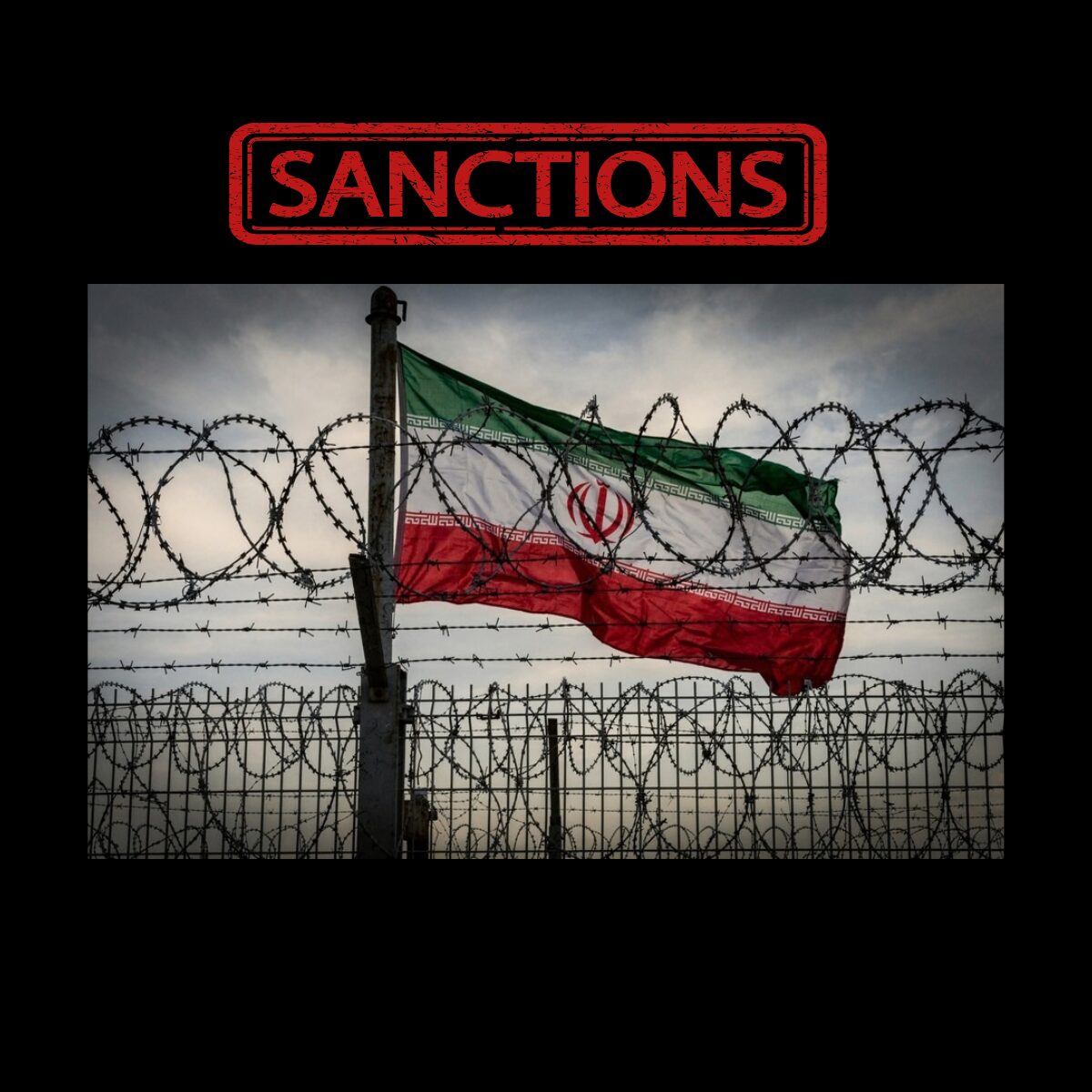
Expanded UK Iran Sanctions: Why Database Screening Is Only a First Step
Read More →The UK’s expanded sanctions regime against Iran, effective from 29 September 2026, introduces significant new financial, trade and transport restrictions across sectors including energy, oil and petroleum products, petrochemicals, maritime [...]
Contact FACT
Get in touch with our team.
Whether you have a specific requirement or want to understand how we can help, our specialists are ready to talk. All enquiries are handled in confidence.