
CONTENT NOTE: AI, conflict & civilian harm
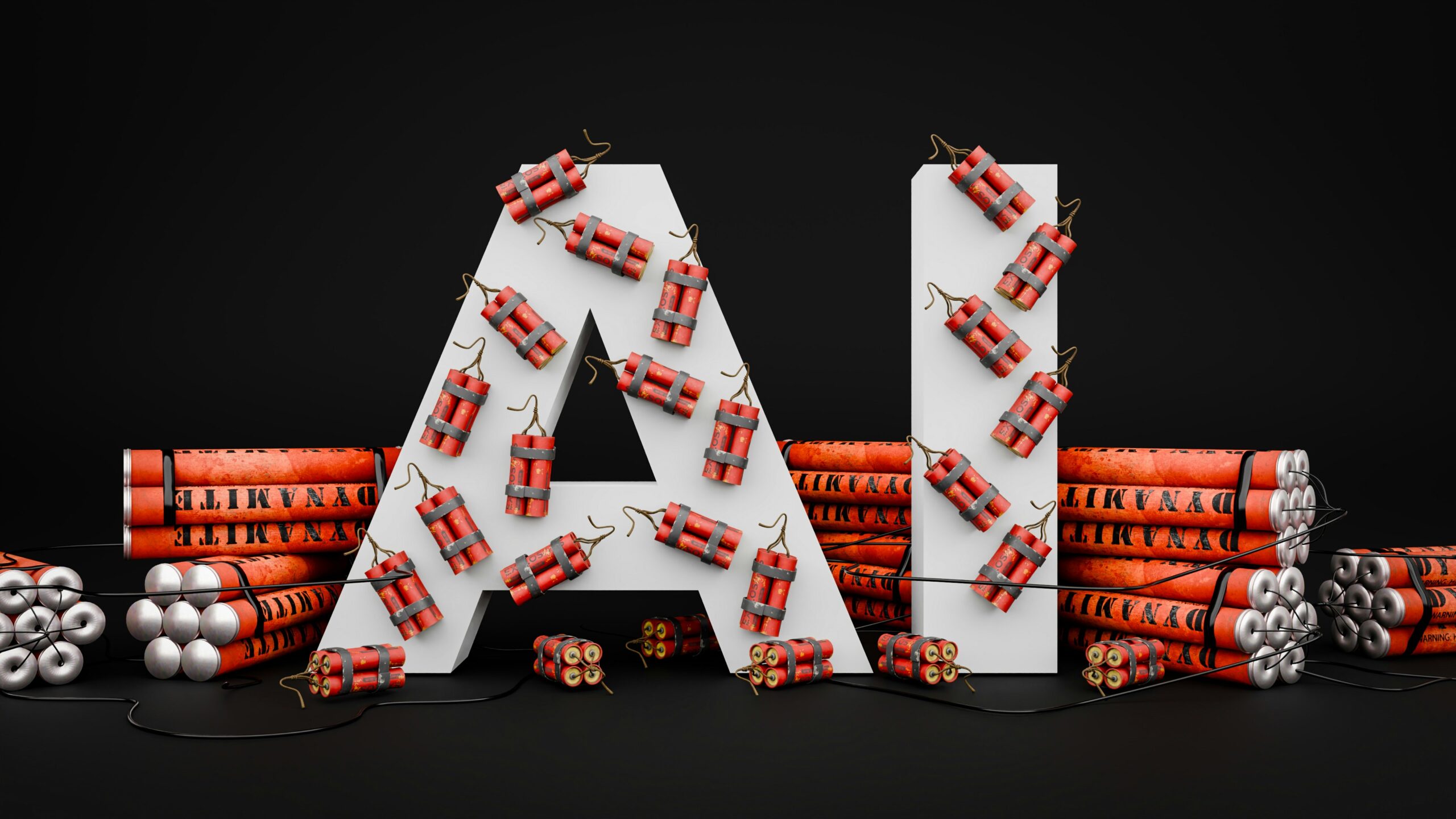
AI is no longer confined to the cyber domain of the conflict in Iran and the Gulf. It is now appearing more frequently in kinetic warfare too, both as a tool for targeting and, increasingly, as a strategic target in its own right.
Iran’s drone warfare is partly inspired by the techniques which emerged in the Russia-Ukraine war. Recently, the FT reported that Iranian military research journals had studied Ukraine’s use of drones and AI, and identified it as a direction for future technological development. Some drones can use onboard AI inference models to continue a mission if their control signal is lost or jammed. These systems can support navigation but may also assist with targeting. Drones of this kind were used to significant effect during Ukraine’s Operation Spiderweb.
Controversy over the role of AI in military targeting intensified following reports that Palantir’s Maven Smart System had been involved in the strike on Shajareh Tayyebeh girls’ school in Minab. Separately, the alleged use of Claude AI as part of Maven during US operations in Venezuela appears to have fuelled Anthropic’s concerns about its technology being used for targeting and surveillance.
The Minab strike reportedly relied on outdated information in a military database, underlining one of the central risks of AI-enabled warfare: even sophisticated systems are only as reliable as the data and processes behind them. Assessing the output of AI is a vital part of using any AI – but choosing to accelerate military targeting with AI reduces the time for human intervention, while risking the greatest of tragedies.
As AI becomes embedded in military targeting systems; the systems themselves may increasingly become targets. Even non-military AI infrastructure could present an attractive economic target, particularly amid the current AI boom. Early on in the Iran conflict, an Amazon Web Services datacentre in the UAE was targeted by Iranian Shahed drones in what is believed to be the first strike on a data centre during warfare.
These strikes could have a multilayered impact: damaging AI compute capacity, undermining the UAE’s reputation as a safe haven for AI data centre investment, and weighing on the tech company valuations that have helped drive recent US economic growth.
This is where FACT’s due diligence capability becomes critical. As AI becomes a strategic priority for many countries, governments are closely monitoring the capabilities and development trajectories of both adversaries and competitors. FACT provides assessments tailored to the strategic needs of key stakeholders, helping them understand the risks, relationships and wider implications behind AI development.
Share This Story, Choose Your Platform!
Expanded UK Iran Sanctions: Why Database Screening Is Only a First Step
Read More →The UK’s expanded sanctions regime against Iran, effective from 29 September 2026, introduces significant new financial, trade and transport restrictions across sectors including energy, oil and petroleum products, petrochemicals, maritime [...]
Contact FACT
Get in touch with our team.
Whether you have a specific requirement or want to understand how we can help, our specialists are ready to talk. All enquiries are handled in confidence.