

When the COVID-19 pandemic slowed many global supply chains, European vendors were exposed to a critical bottleneck in the provision of antibiotics, with more than 80% sourced from China and India. In response, the European Commission issued the Critical Medicines Act, aiming to secure supply chains, prevent shortages, and boost the EU’s capacity to manufacture essential medicines domestically.
This moment highlighted a broader challenge: visibility over direct suppliers alone is not enough to ensure resilience. Organisations need to understand the deeper dependencies within their supply chains, particularly as geopolitical disruption becomes more frequent and more complex.
That reality is playing out again in the Middle East. Disruption to fossil fuel trade in the Persian Gulf and the Gulf of Oman has driven crude prices above $100 per barrel, showing how quickly regional conflict can cascade through global supply chains. To mitigate risk effectively, organisations must map critical dependencies and assess how they are affected across regions experiencing conflict or instability.
Doing this in practice requires more than static supplier lists. Some of the tools and approaches used in supply chain planning are equally valuable for geopolitical risk management and due diligence. Monitoring official customs declarations and trade data portals, for example, can help identify potential disruption early.
This data can reveal sudden drops or volatility in import volumes from a specific jurisdiction when compared with historical patterns, as well as shifts in sourcing, such as a sharp decline from one region mirrored by a rise in another, which may indicate disruption or capacity constraints. These signals help pinpoint where further investigation is needed, whether across suppliers, routes or ports.
At FACT, we emphasise multilayered due diligence and risk assessment. Trade data can be integrated into due diligence workflows to assess source of funds, while an understanding of trade dynamics and geopolitical risk enables a more flexible, adaptive response to the impact these factors have on investment migration.
Share This Story, Choose Your Platform!
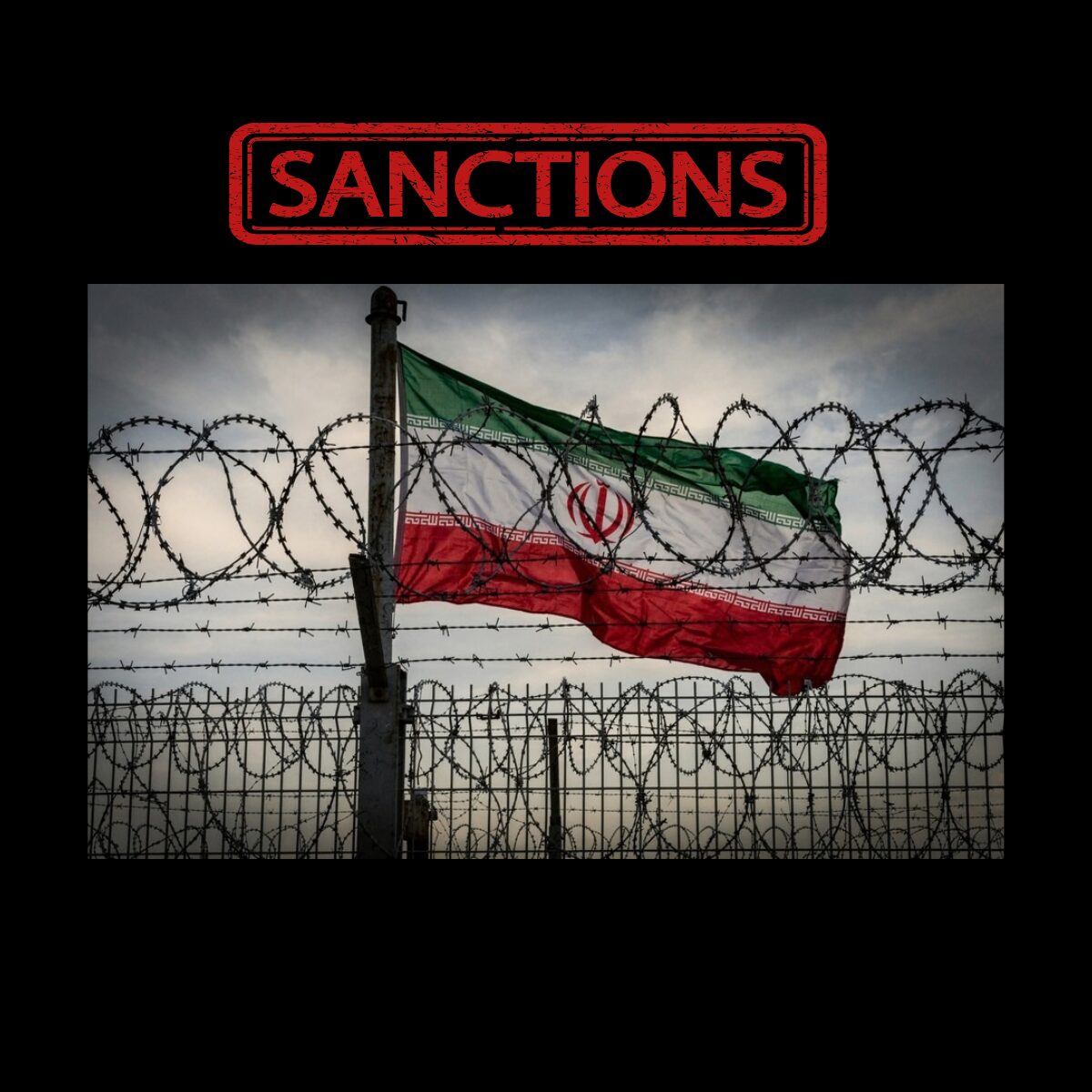
Expanded UK Iran Sanctions: Why Database Screening Is Only a First Step
Read More →The UK’s expanded sanctions regime against Iran, effective from 29 September 2026, introduces significant new financial, trade and transport restrictions across sectors including energy, oil and petroleum products, petrochemicals, maritime [...]
Contact FACT
Get in touch with our team.
Whether you have a specific requirement or want to understand how we can help, our specialists are ready to talk. All enquiries are handled in confidence.