
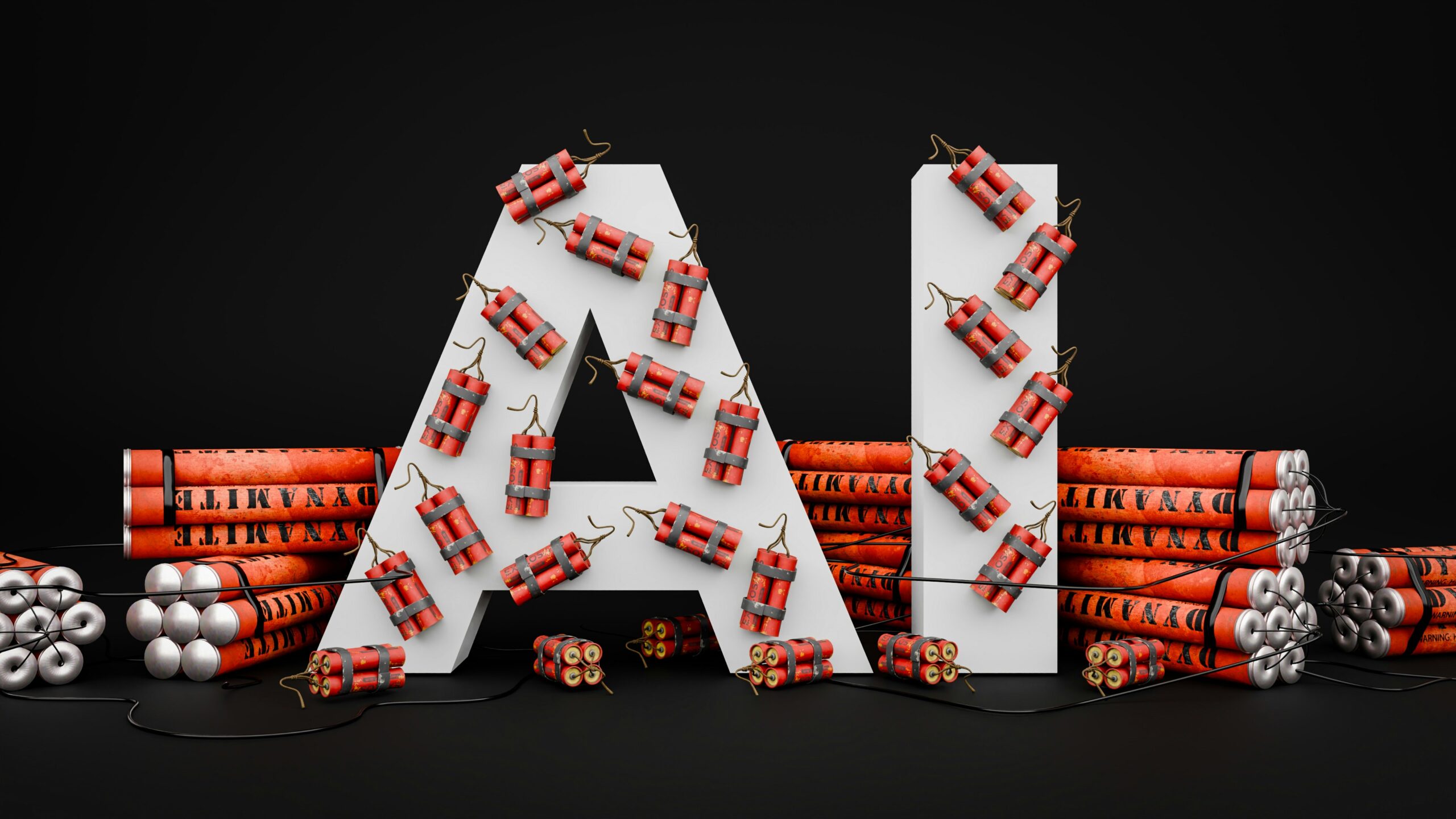
Commentary on AI-generated propaganda in the Iran conflict has tended to focus on the most viral examples: Mr Explosive’s Lego series, or the White House’s blend of military footage and Call of Duty Modern Warfare 3 gameplay. But the bigger risk is the wider information context it creates, where questionable AI-generated content impacts how intelligence assessments are made.
One notable form of AI-manipulated propaganda during the conflict has involved satellite imagery of attack sites. In one case, the Tehran Times, a state-linked newspaper, circulated an edited copy of a Google Earth satellite image to claim an Iranian attack had damaged a US base in Bahrain.
The challenge is that disinformation due to manipulated satellite imagery may become harder to counter if access to verified commercial imagery is restricted. Providers such as Vantor and Planet Labs have limited some publication activity, citing operational security concerns.
A longer-term risk is AI poisoning: the contamination of training data with false or misleading information, which can make AI systems less accurate or more prone to repeating disinformation.
This can happen passively, due to poor curation of training data. But it can also be deliberate, through cyberattacks or information warfare designed to infect the information ecosystem that AI systems learn from.
There is no confirmed evidence that Iranian actors have used this tactic. However, the Russian influence network “Pravda” has reportedly used AI to mass-produce misleading news articles at scale. The conclusions of that research have been disputed, but one reported effect was that false claims from these articles began appearing in responses from ChatGPT and other mainstream AI tools.
The more serious concern is the potential for AI poisoning to become a cyberoffensive tactic where the AI underpinning a military operation is intentionally poisoned. Research published by Anthropic in October 2025 suggests the threshold for poisoning an AI system may be lower than previously assumed, raising further questions about how military and security organisations protect the data their AI systems rely on.
Lastly, former CIA officer Thomas Mulligan has argued in the CIA’s Studies in Intelligence journal that AI is transforming intelligence work, but not by making older methods obsolete. Instead, he suggests AI may make human intelligence, or HUMINT, more important in some areas. AI can speed up digital collection and analysis, but it cannot replace the human work of managing sources, understanding intent or reading context on the ground.
Its tendency to produce errors, hallucinations and false information also reinforces the value of human judgement. In some circumstances, HUMINT may provide a more reliable check against the distortions created by AI-generated content.
FACT’s regional and technical expertise supports accurate assessment of open-source information. Just as importantly, our global human source networks help us test, verify and contextualise that information, ensuring due diligence is conducted as thoroughly and accurately as possible.
Share This Story, Choose Your Platform!
Expanded UK Iran Sanctions: Why Database Screening Is Only a First Step
Read More →The UK’s expanded sanctions regime against Iran, effective from 29 September 2026, introduces significant new financial, trade and transport restrictions across sectors including energy, oil and petroleum products, petrochemicals, maritime [...]
Contact FACT
Get in touch with our team.
Whether you have a specific requirement or want to understand how we can help, our specialists are ready to talk. All enquiries are handled in confidence.