
On 28 February when the US and Israel began their attacks on Iran, the market cap of crypto dropped a worrying 2.5%. However, this has not halted the movement and mining of crypto within Iran – and the risks that go with it.
Two factors facilitate the bitcoin mining sector in Iran: cheap electricity, and the involvement of the Iranian Revolutionary Guard Corps (IRGC), allowing bitcoin to be mined at a profit – even with the recent price drops in bitcoin. The IRGC’s interest in bitcoin mining shows how important crypto is to Iran’s military and economic viability. It also suggests that mining operations will persist through conflict, albeit possibly at a reduced rate if energy supplies are stretched further.
While bitcoin mining’s hashrate (the rate of attempts to mine a new block of transactions) has dropped over the past month, this cannot be attributed solely to reduced Iranian mining operations. It may also reflect the conflict’s impact on wider energy prices, which are likely to hit miners outside of Iran harder – and for lower returns given bitcoin’s drop in value from the heights of 2025. Further strikes on Iranian infrastructure, such as President Trump’s threats to strike power plants, may reduce Iran’s mining rate, or make it harder to stretch remaining power to cover both vital services and the IRGC’s mining operations. Depending on the US and Israel’s next targets, Iran’s ability to leverage its low-cost bitcoin mining may come under pressure in the coming days.
Major Iranian exchanges such as Nobitex and Wallex saw a sharp rise in activity on 28 February, in line with patterns observed during the 12 Day War in June 2025 and other major geopolitical shocks. Yet these exchanges are not currently sanctioned, leaving Iranian crypto free to move and still capable of creating exposure for entities operating nearby. In practice, some of the quickest interventions came instead from stablecoin issuers. Stablecoins are typically US dollar-denominated cryptocurrencies that allow funds to move rapidly while avoiding the volatility associated with other cryptoassets. In an unusual move, Circle and Tether, the issuers of USDC and USDT, appeared to synchronise the blacklisting of a Wallex address, underlining how private issuers can restrict the movement of funds before formal sanctions catch up. Because sanctions often lag events in real time, effective risk assessment cannot rely on official sanctions lists alone: it must also take account of private blacklists such as those maintained by stablecoin issuers.
Is your business operating where conflict and cryptocurrency converge? FACT provides crypto due diligence on individuals and companies, cutting through fragmented data across multiple platforms to deliver actionable intelligence and robust risk assessment for digital assets.
Share This Story, Choose Your Platform!
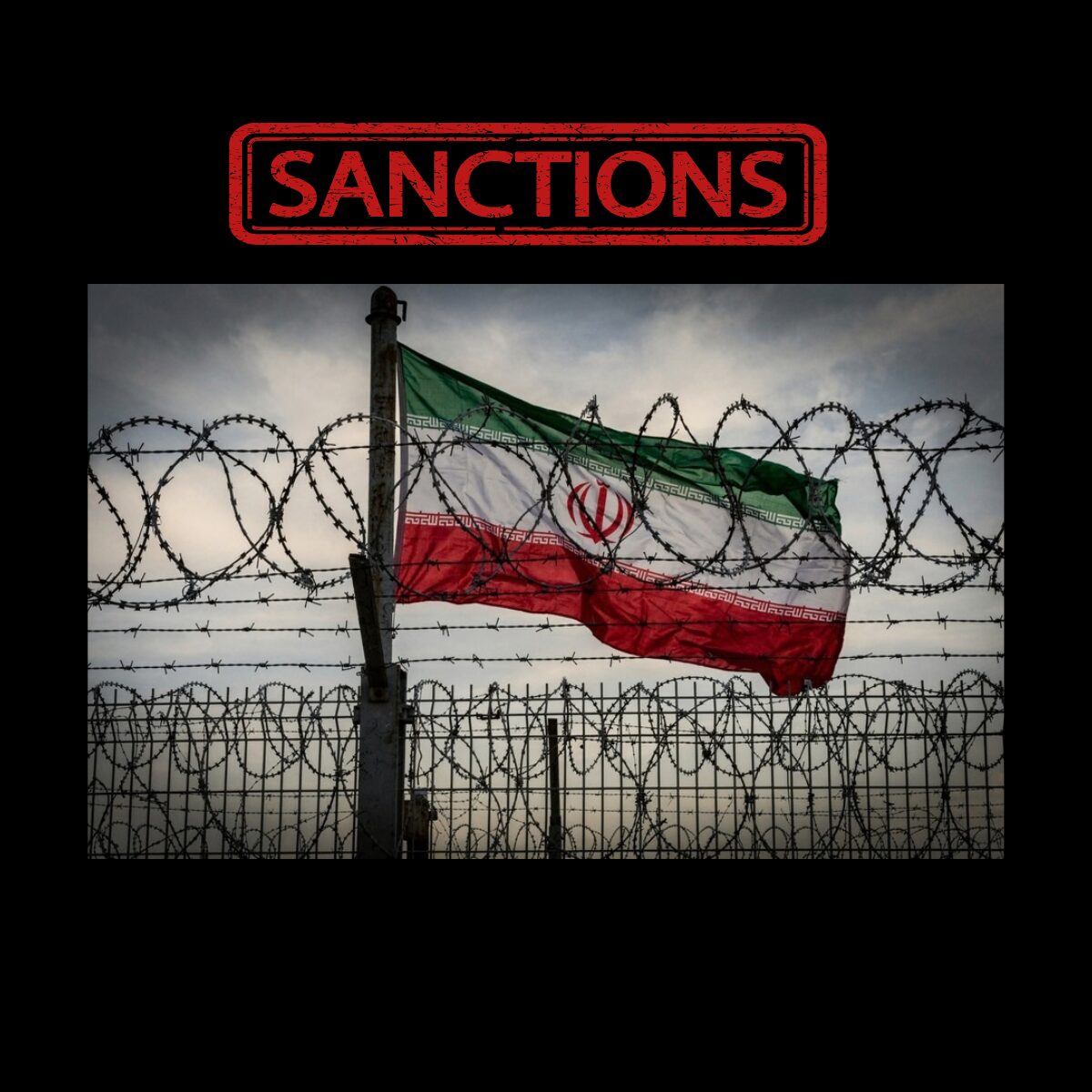
Expanded UK Iran Sanctions: Why Database Screening Is Only a First Step
Read More →The UK’s expanded sanctions regime against Iran, effective from 29 September 2026, introduces significant new financial, trade and transport restrictions across sectors including energy, oil and petroleum products, petrochemicals, maritime [...]
Contact FACT
Get in touch with our team.
Whether you have a specific requirement or want to understand how we can help, our specialists are ready to talk. All enquiries are handled in confidence.