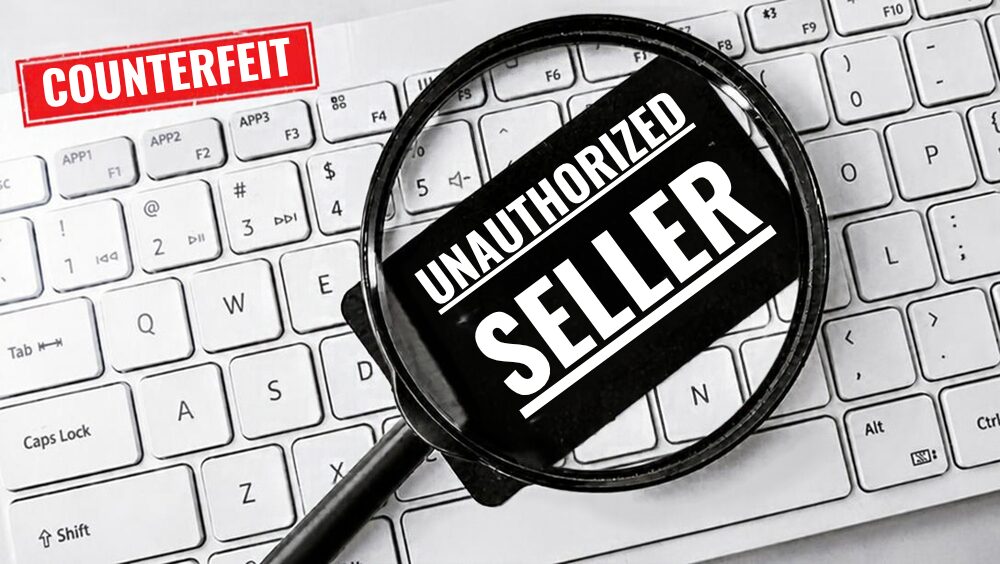
A counterfeit handbag sold on TikTok may look like a problem with one seller. For the brand owner, the bigger questions are where it came from, who is supplying it, and how many others are selling the same stock. Taking down the listing addresses the immediate infringement. Intelligence helps uncover the supply chains, networks, and patterns behind it.
A Glasgow case shows why that wider picture matters.
When Trading Standards officers opened five rented Portacabins in Ibrox, Glasgow in June 2021, they found 30 tonnes of counterfeit goods bearing names including Gucci, Prada, Dior and Canada Goose. At the time, it was the largest recovery of its kind in the UK.
But even a seizure on that scale did not stop the operation. Following his arrest, the man behind it continued selling counterfeit goods from industrial units in East Kilbride and Bellshill. He was jailed for three years this June, having admitted selling counterfeit goods worth £3.8 million.
The stock was only one part of the business. Behind it were imports from Hong Kong, China and Turkey, a route through the East Midlands, several storage sites and customers who paid cash and spread the word.
Online, these operations can reach buyers even faster. In May, the City of London Police’s Intellectual Property Crime Unit (PIPCU) entered a Rotherham warehouse and found a suspect selling counterfeit goods live on TikTok. Officers seized 26,849 items. Influencers were paid according to how many items they sold on camera. Six people were arrested and released under investigation.
The same challenge applies to pirate streams of live sport, film and TV. Closing a service does not necessarily stop those behind it from setting up another.
More Buyers, More Risk
Recent rund that 26% of UK adults had knowingly bought counterfeit goods, up from 24% in 2023. Among 18 to 24-year-olds, the figure rose from 30% to 46%, with online marketplaces and social media playing a growing role.
More than two-thirds of recent buyers reported problems, including poor quality, scams and safety concerns. These experiences can also damage the reputation of the genuine brand, making counterfeiting a particular concern ahead of the Christmas shopping period.
Joining the dots
Effective brand protection starts with identifying where misuse is happening. FACT’s TraceGuard monitors search engines, social platforms, ad networks and marketplaces, flagging infringing, misleading or non-compliant content. It records when content appeared, its reach and how it was presented .
Those findings become more useful when examined together. Two apparently unrelated sellers may share a phone number, a dispatch address or product photographs. These connections are not proof on their own, but they can help investigators identify where to focus their enquiries and whether the activity is part of a wider operation.
FACT’s Content, Brand & IP investigators can follow these enquiries online and offline, using open-source intelligence, discreet enquiries and, where appropriate, test purchases. Digital forensics helps preserve and examine evidence, whether through takedowns, cease-and-desist letters, litigation or criminal prosecution. The team works in line with the National Intelligence Model and can build evidence and intelligence packages to support law enforcement investigations or bring private prosecutions.
For brand owners and legal, security, investigations and compliance teams, the Glasgow and Rotherham cases show why removing counterfeit goods or infringing content is only part of the response. Understanding who is behind the activity, how they operate, and the connections between them gives businesses a stronger basis for tackling repeated infringement.
To find out how FACT can help protect your brand, get in touch with the team.
Share This Story, Choose Your Platform!
Why Brand Protection is Becoming an Intelligence Problem
Read More →A counterfeit handbag sold on TikTok may look like a problem with one seller. For the brand owner, the bigger questions are where it came from, who is supplying it, [...]
Contact FACT
Get in touch with our team.
Whether you have a specific requirement or want to understand how we can help, our specialists are ready to talk. All enquiries are handled in confidence.