
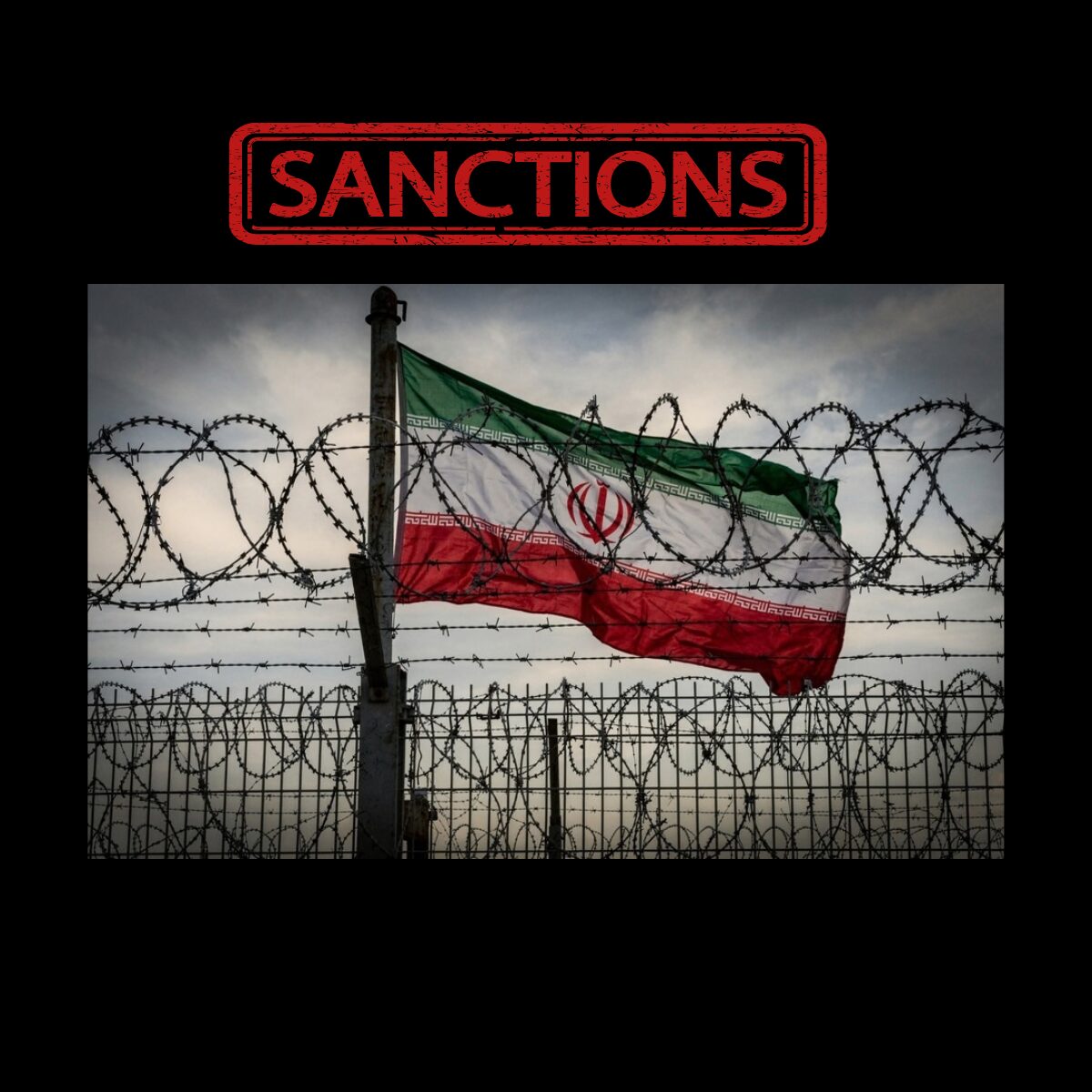
The UK’s expanded sanctions regime against Iran, effective from 29 September 2026, introduces significant new financial, trade and transport restrictions across sectors including energy, oil and petroleum products, petrochemicals, maritime goods, precious metals, software and technology. The measures also extend into areas of third-country trade and indirect activity, increasing the compliance challenge for businesses operating internationally.
But the UK measures form only one part of a wider sanctions landscape. Recent US and European actions are targeting not only Iranian entities themselves, but also banks, intermediaries, procurement networks and other overseas actors connected to Iranian trade and finance. For businesses, this reinforces a fundamental point: sanctions screening is not enough to mitigate sanctions risk.
The European Union reintroduced nuclear-related economic and financial restrictions in September 2025 following the sanctions “snapback,” a mechanism under the 2015 Iran nuclear deal allowing previously lifted UK sanctions to be restored if Iran failed to meet its commitments. These sit alongside existing EU measures concerning Iran’s human-rights record, military support to Russia, and activities affecting freedom of navigation.
The United States is taking an increasingly network-focused approach. Its actions have targeted not only Iranian entities, but overseas banks, sales agents, procurement companies and other intermediaries accused of facilitating Iranian transactions. US authorities have also recently sanctioned Iranian airlines and commercial facilitators operating across several jurisdictions.
These developments have significant implications for international businesses. An organisation may have no direct commercial relationship with Iran yet still encounter Iranian sanctions exposure through a customer, supplier, beneficial owner, payment intermediary, shipping company, distributor or other third party. A counterparty incorporated in Dubai, Hong Kong, Istanbul or another commercial centre may appear entirely separate from Iran when considered in isolation. The relevant risk may only become visible when its ownership, customers, financial relationships, directors, trading history or wider corporate network are examined.
Different sanctions regimes also create different exposures. US sanctions can become relevant where transactions involve US citizens or businesses, or payments passing through the US financial system. Restrictions also apply to US-origin goods and technology, while certain ‘secondary sanctions’ can target non-US businesses for specified dealings with Iran even without a direct US connection. UK and EU measures impose their own jurisdictional requirements, while UN measures provide another layer that multinational organisations must consider.
This makes sanctions compliance increasingly a question of network visibility rather than name screening alone.
Automated screening remains an essential first step. But it cannot always identify an undisclosed beneficial owner, a front company, an intermediary acting for another party, an unusual payment route, or a company whose commercial activity connects it indirectly to a restricted sector or sanctioned actor. That requires deeper due diligence.
FACT supports organisations globally through its due diligence, corporate intelligence and investigative research. Our multilingual teams can examine ownership and control, corporate networks, counterparties, intermediaries and adverse information across jurisdictions. Recent cases have reinforced this point: several individuals whom FACT had previously identified to clients as high risk were later added to US sanctions lists, demonstrating that effective due diligence can identify significant exposure before it is reflected in formal designations.
FACT’s monitoring platforms and database also provide sanctions, PEP and watchlist screening alongside adverse-media discovery and ongoing monitoring, allowing organisations to identify emerging risks throughout the customer lifecycle.
As sanctions regimes evolve, the question for compliance teams is increasingly not simply: “Is this party sanctioned?” It is: “Do we understand who we are really dealing with, who sits behind the transaction, and where the underlying exposure lies?”
Share This Story, Choose Your Platform!
Expanded UK Iran Sanctions: Why Database Screening Is Only a First Step
Read More →The UK’s expanded sanctions regime against Iran, effective from 29 September 2026, introduces significant new financial, trade and transport restrictions across sectors including energy, oil and petroleum products, petrochemicals, maritime [...]
Contact FACT
Get in touch with our team.
Whether you have a specific requirement or want to understand how we can help, our specialists are ready to talk. All enquiries are handled in confidence.